
Jack Botanicals: Science-Backed Quality
Every batch undergoes 9+ independent lab tests for purity and potency. Choose from premium Red Maeng Da, Red Bali, or energizing Green Maeng Da.
🔬 Lab-Verified Quality at 30% OFF
Code: JACK30
The legal landscape surrounding kratom continues to evolve rapidly, leaving millions of Americans wondering: is kratom federally legal in 2026? With conflicting state laws, pending federal legislation, and ongoing regulatory debates, understanding kratom’s current legal status has never been more crucial for consumers, researchers, and healthcare providers alike.
Kratom (Mitragyna speciosa), a tropical tree native to Southeast Asia, has gained significant attention in the United States for its potential therapeutic properties and controversial regulatory status. While the plant remains federally unscheduled, the complex web of state regulations, FDA warnings, and legislative proposals creates a challenging legal environment that requires careful navigation.
- Kratom remains federally unscheduled in the United States as of 2026, meaning it’s not classified as a controlled substance at the federal level
- State laws vary dramatically – kratom is banned in six states and regulated differently across various municipalities
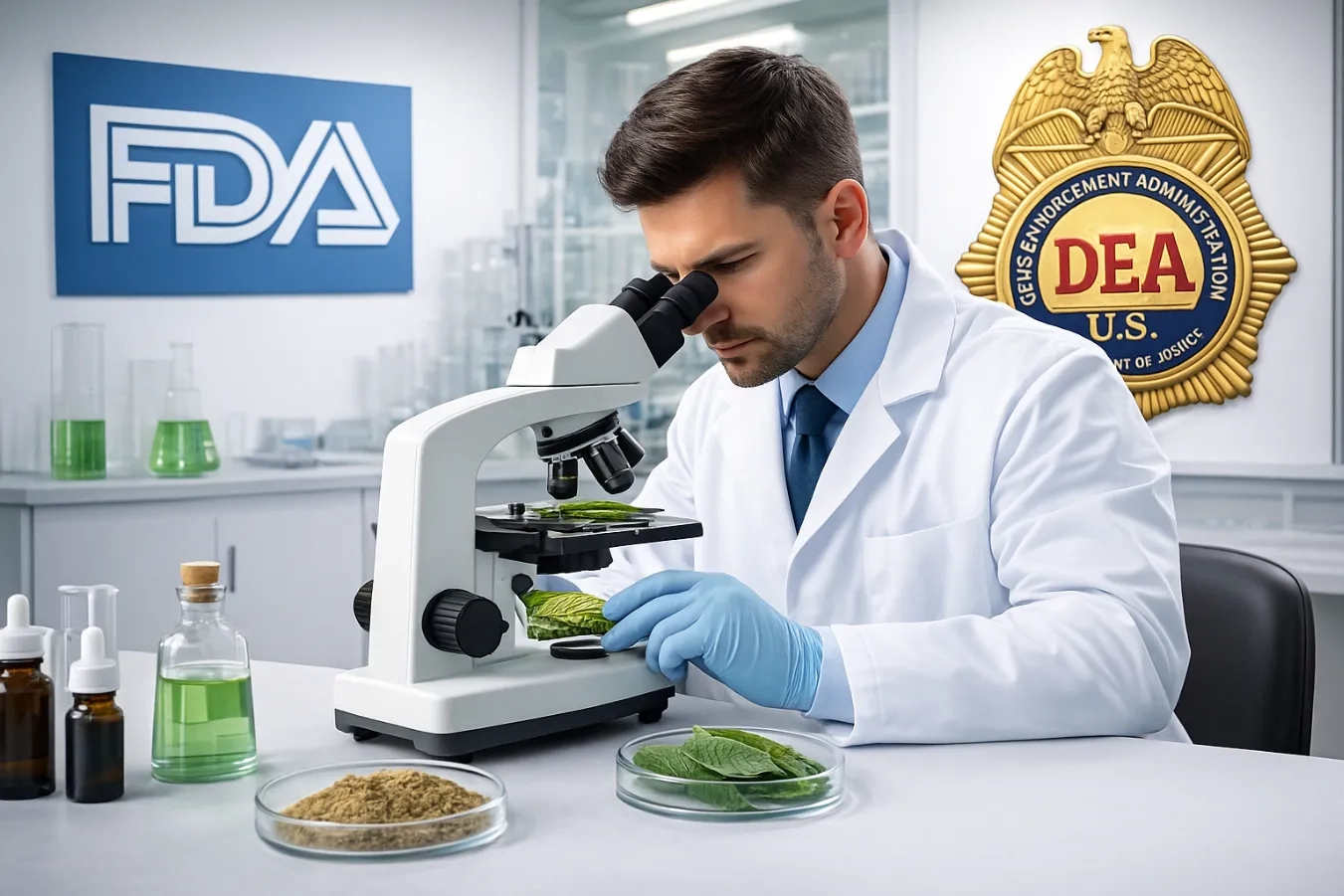
- The FDA has not approved kratom for any medical use and continues to issue warnings about potential safety concerns
- Pending federal legislation could significantly change kratom’s legal status in the coming years
- Quality control and safety standards remain inconsistent across the industry, making consumer education essential
Understanding Federal Kratom Regulations
Current Federal Status of Kratom
Is kratom federally legal? The answer is nuanced but important. Currently, kratom is not scheduled under the Controlled Substances Act (CSA), which means it’s not classified alongside substances like cocaine, heroin, or marijuana at the federal level. This unscheduled status allows for legal possession, distribution, and consumption in states where local laws permit.
However, this federal non-scheduling doesn’t mean kratom operates in a regulation-free environment. Several federal agencies maintain oversight and have issued guidance regarding kratom:
🏛️ Drug Enforcement Administration (DEA)
- Monitors kratom for potential scheduling
- Has the authority to emergency schedule if deemed necessary
- Withdrew a 2016 proposal to schedule kratom after public opposition
🔬 Food and Drug Administration (FDA)
- Regulates kratom as a dietary supplement
- Issues import alerts and seizures for adulterated products
- Maintains that kratom has no approved medical uses
⚖️ Federal Trade Commission (FTC)
- Enforces advertising and marketing regulations
- Targets misleading health claims about kratom products
The 2016 DEA Scheduling Attempt
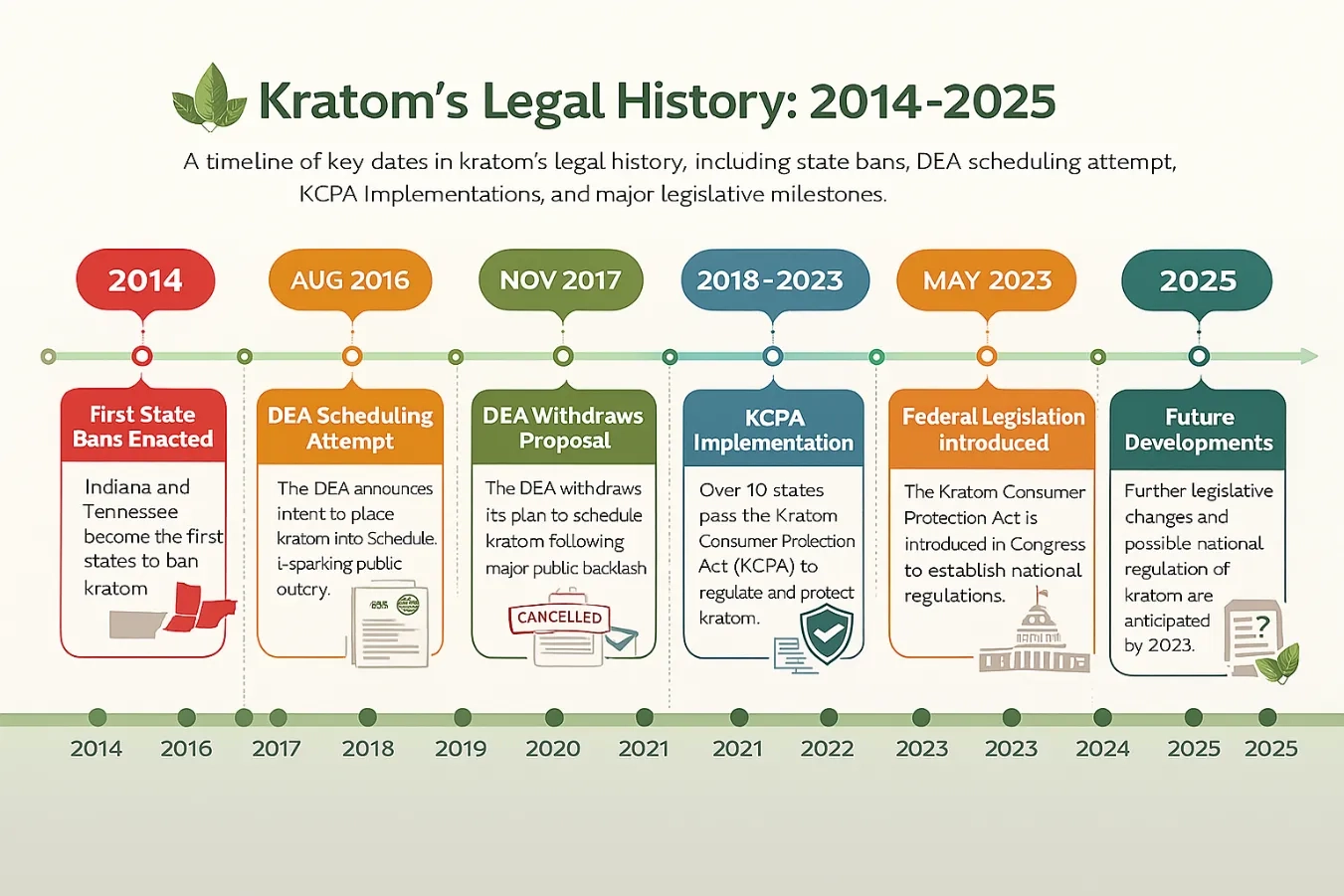
A pivotal moment in kratom’s legal history occurred in August 2016 when the DEA announced its intention to place kratom’s primary alkaloids (mitragynine and 7-hydroxymitragynine) in Schedule I of the CSA. This unprecedented move sparked massive public opposition, including:
- Over 140,000 public comments submitted to the DEA
- Congressional letters from multiple representatives
- Organized advocacy campaigns by kratom users
- Scientific community pushback citing research potential
The DEA ultimately withdrew its scheduling notice in October 2016, marking the first time the agency had reversed such a decision due to public pressure. This withdrawal allowed kratom to maintain its current unscheduled status while the agency requested additional public input and scientific review.
State-by-State Kratom Legal Analysis
🏆 Jack Botanicals: Transparency You Can Trust
| ✓ AKA GMP Approved | Industry Gold Standard |
| ✓ 9+ Lab Tests Per Batch | Guaranteed Purity |
| ✓ Premium Strains | Red & Green Varieties |
Featured: Red Maeng Da • Red Bali • Green Maeng Da
💎 Exclusive Lab-Tested Quality Discount
JACK30 = 30% OFF
States Where Kratom is Banned
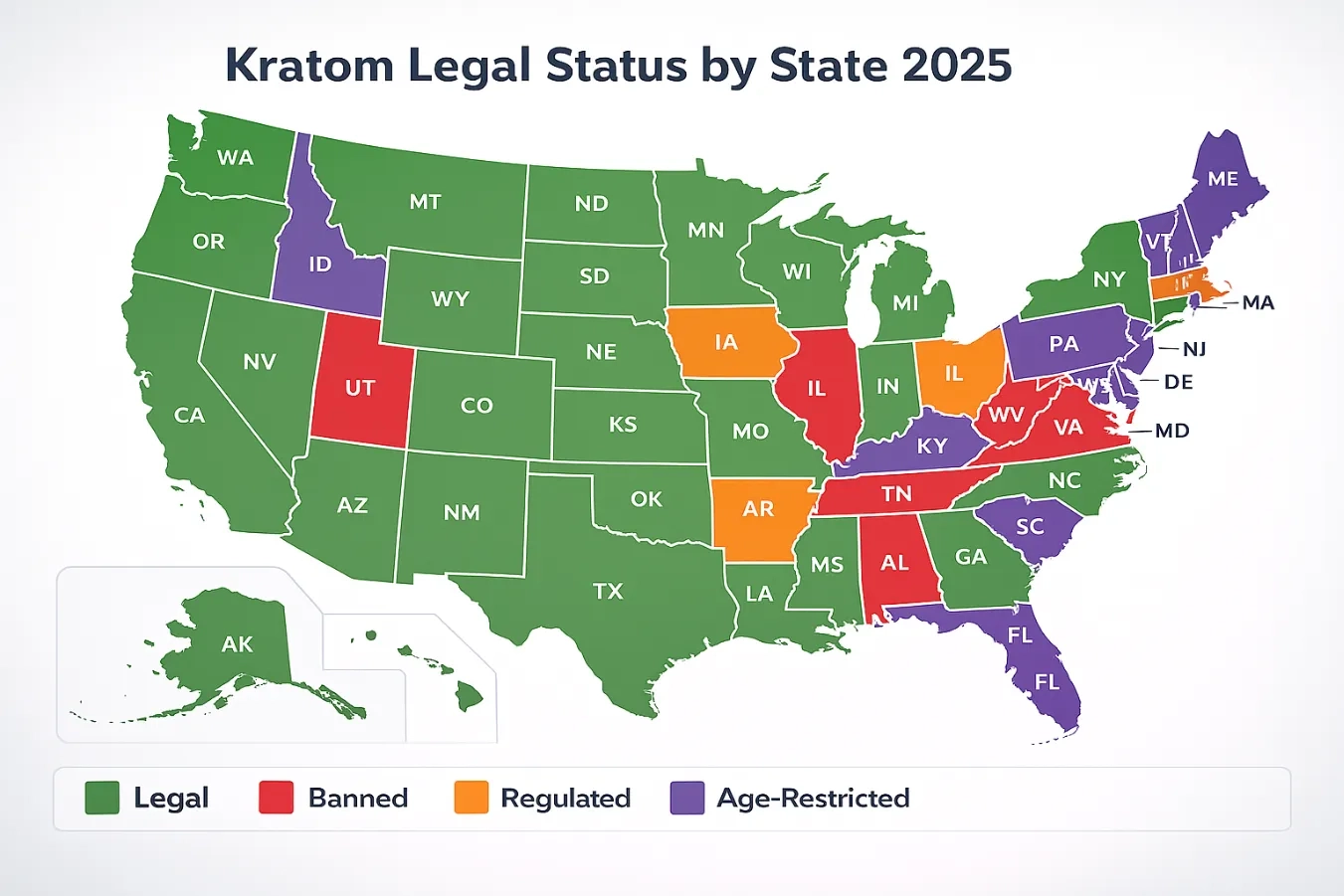
As of 2026, six states have completely prohibited kratom possession, sale, and distribution:
| State | Ban Effective Date | Penalties | Notes |
|---|---|---|---|
| Alabama | May 2016 | Felony charges possible | Strictest enforcement |
| Arkansas | February 2016 | Misdemeanor to felony | Varies by amount |
| Indiana | July 2014 | Class A misdemeanor | First state to ban |
| Rhode Island | October 2017 | Fines up to $500 | Civil penalties |
| Vermont | July 2021 | Criminal charges | Most recent ban |
| Wisconsin | December 2014 | Class H felony | Severe penalties |
States with Age Restrictions and Regulations
Several states have implemented the Kratom Consumer Protection Act (KCPA), which regulates rather than bans kratom:
✅ KCPA States (as of 2025):
- Arizona
- Georgia
- Nevada
- Oklahoma
- Utah
🔞 Age Restriction States:
- Colorado (21+)
- Florida (18+)
- Illinois (18+)
- New Hampshire (18+)
Municipal and Local Bans
Even in states where kratom remains legal, numerous cities and counties have implemented local bans. Notable examples include:
- California: San Diego County, Oceanside
- Colorado: Denver (until 2022 reversal)
- Florida: Sarasota County
- Mississippi: Columbus, Union County
- Tennessee: Various counties
For the most current information on local regulations, consumers should research specific state laws before purchasing or possessing kratom.
FDA Position and Safety Concerns
FDA’s Regulatory Stance
The FDA maintains a cautious position regarding kratom, emphasizing several key concerns:
🚫 No Approved Medical Uses
The FDA has not approved kratom for treating any medical condition. The agency actively pursues enforcement actions against companies making unsubstantiated health claims.
⚠️ Safety Warnings
The FDA has issued multiple public health advisories citing:
- Potential for abuse and dependence
- Risk of respiratory depression
- Possible liver toxicity
- Drug interaction concerns
- Contamination risks in unregulated products
📦 Import Controls
The FDA maintains import alerts allowing detention of kratom shipments that appear adulterated or misbranded. This has resulted in significant product seizures at U.S. ports.
Quality Control Challenges
The lack of federal manufacturing standards creates significant quality control issues:
Common Contamination Concerns:
- Heavy metals (lead, mercury, cadmium)
- Microbial contamination (salmonella, E. coli)
- Adulterants and synthetic compounds
- Inconsistent alkaloid content
- Mislabeling of strains and potency
These issues highlight the importance of choosing reputable kratom vendors that implement third-party testing and quality assurance protocols.
Pending Federal Legislation
The Kratom Consumer Protection Act (Federal)
Congressional representatives have introduced federal versions of the KCPA aimed at creating nationwide standards for kratom regulation. Key provisions typically include:
📋 Manufacturing Standards
- Good manufacturing practice requirements
- Mandatory testing for contaminants
- Proper labeling and packaging standards
- Age verification systems
🔬 Research Provisions
- Funding for kratom research studies
- Clinical trial facilitation
- Safety and efficacy evaluations
- Standardization of alkaloid content
⚖️ Enforcement Mechanisms
- Federal oversight of state implementation
- Penalties for non-compliant products
- Consumer protection measures
- Industry accountability standards
Congressional Support and Opposition
Support for kratom regulation rather than prohibition has grown among lawmakers, with bipartisan recognition of kratom’s potential benefits for certain populations. However, opposition remains from some quarters citing:
- Insufficient long-term safety data
- Concerns about youth access
- Potential for abuse and dependence
- Lack of standardized dosing guidelines
Safety Guidelines and Best Practices
Responsible Kratom Use
For individuals in areas where kratom is legal, following safety guidelines is essential:
🎯 Dosage Considerations
- Start with minimal amounts (1-2 grams)
- Avoid daily use to prevent tolerance
- Never exceed recommended serving sizes
- Monitor individual response carefully
🔍 Product Selection Criteria
- Choose vendors with third-party testing
- Verify lab results for contaminants
- Avoid products making medical claims
- Research strain-specific effects before use
⚕️ Medical Consultation
- Discuss kratom use with healthcare providers
- Disclose all medications and supplements
- Monitor for adverse reactions
- Consider elimination timeframes for drug testing
Drug Interaction Warnings
Kratom can interact with various medications and substances:
High-Risk Combinations:
- Central nervous system depressants
- Prescription opioids
- Alcohol and sedatives
- MAO inhibitors
- Blood thinners
Understanding proper dosing and potential interactions is crucial for safe use.
🗺️ Kratom Legal Status by State – 2025
Research and Medical Perspectives
Current Scientific Understanding
The scientific community continues to study kratom’s pharmacological properties and potential therapeutic applications. Key research areas include:
🧬 Alkaloid Research
- Mitragynine and 7-hydroxymitragynine mechanisms
- Receptor binding profiles and selectivity
- Metabolic pathways and bioavailability
- Structure-activity relationships
🏥 Clinical Applications
- Pain management potential
- Opioid withdrawal support
- Mood and anxiety effects
- Cognitive function impacts
📊 Epidemiological Studies
- Usage patterns and demographics
- Adverse event reporting
- Dependency and withdrawal profiles
- Population-level health impacts
Healthcare Provider Perspectives
Medical professionals maintain varied opinions on kratom, with perspectives influenced by:
Supportive Views:
- Potential harm reduction for opioid users
- Alternative pain management option
- Lower respiratory depression risk
- Patient-reported benefits
Cautionary Positions:
- Insufficient clinical trial data
- Unknown long-term effects
- Drug interaction concerns
- Lack of standardized products
For comprehensive information about different kratom strains and their reported effects, consumers should consult multiple sources and healthcare providers.
Industry Standards and Quality Assurance
Current Industry Initiatives
The kratom industry has begun implementing voluntary standards to address quality concerns:
🏭 Good Manufacturing Practices (GMP)
- Facility cleanliness and sanitation
- Equipment maintenance and calibration
- Personnel training and hygiene
- Documentation and record-keeping
🔬 Third-Party Testing
- Heavy metals screening
- Microbial contamination testing
- Alkaloid content verification
- Pesticide and adulterant detection
📋 Labeling Standards
- Accurate strain identification
- Alkaloid content disclosure
- Batch number tracking
- Expiration date requirements
Consumer Protection Measures
When selecting kratom products, consumers should prioritize vendors that demonstrate:
✅ Transparency Indicators
- Published lab results
- Clear contact information
- Detailed product descriptions
- Customer service availability
🛡️ Quality Certifications
- GMP compliance
- ISO certifications
- Third-party audits
- Industry association membership
Researching vendor reviews can help consumers identify reputable suppliers with consistent quality standards.
International Perspectives and Comparisons
Global Kratom Regulations
Kratom’s legal status varies significantly worldwide:
🚫 Countries with Bans:
- Australia (Schedule 9)
- Denmark (controlled substance)
- Finland (prescription only)
- Lithuania (banned)
- Myanmar (illegal)
- Poland (banned)
- Romania (controlled)
- Sweden (banned)
- Thailand (recently legalized in 2021)
- United Kingdom (Psychoactive Substances Act)
✅ Countries with Legal Status:
- Canada (natural health product regulations)
- Germany (legal with restrictions)
- Netherlands (legal)
- New Zealand (legal)
Thailand’s Regulatory Model
Thailand’s recent legalization provides an interesting case study, as the country:
- Removed kratom from controlled substances list in 2021
- Allows traditional use and cultivation
- Regulates commercial production and export
- Maintains restrictions on processed products
This model demonstrates how countries can balance traditional use with modern regulatory frameworks.
Industry Evolution Trends
The kratom industry is likely to see continued evolution in several areas:
🔬 Standardization Efforts
- Alkaloid content standardization
- Strain classification systems
- Potency testing protocols
- Quality assurance programs
🏛️ Regulatory Compliance
- Proactive industry standards adoption
- Government relations initiatives
- Research funding and collaboration
- Consumer education programs
💊 Product Innovation
- Standardized extract formulations
- Novel delivery methods
- Combination products
- Pharmaceutical-grade preparations
Understanding where to purchase kratom legally becomes increasingly important as regulations evolve.
Legal Compliance and Risk Management
For Consumers
Individuals considering kratom use should take several precautions:
📋 Legal Compliance Checklist:
- Verify state and local laws before purchasing
- Avoid possession in prohibited jurisdictions
- Keep products in original packaging when traveling
- Stay informed about changing regulations
⚖️ Risk Mitigation Strategies:
- Purchase only from reputable vendors
- Verify third-party testing results
- Maintain detailed product records
- Consult healthcare providers before use
For Businesses
Kratom businesses face complex compliance requirements:
🏢 Operational Considerations:
- Multi-state licensing requirements
- Banking and payment processing challenges
- Insurance and liability coverage
- Marketing and advertising restrictions
📊 Compliance Management:
- Regular legal review and updates
- Staff training on regulations
- Documentation and record-keeping systems
- Relationship with legal counsel
Advocacy and Legislative Engagement
Consumer Advocacy Organizations
Several organizations work to protect kratom access and promote responsible regulation:
🏛️ American Kratom Association (AKA)
- Primary advocacy organization
- Lobbying and legislative efforts
- Consumer education initiatives
- Industry standards development
📢 Kratom United
- Grassroots advocacy network
- State-level campaign support
- Voter education programs
- Coalition building efforts
How to Get Involved
Consumers interested in kratom advocacy can:
📝 Legislative Engagement:
- Contact elected representatives
- Participate in public comment periods
- Attend town halls and meetings
- Support pro-kratom candidates
🤝 Community Involvement:
- Join local advocacy groups
- Share personal experiences responsibly
- Educate others about kratom benefits and risks
- Volunteer for advocacy organizations
For those interested in learning more about kratom’s regulatory landscape, additional resources provide comprehensive coverage of federal legal considerations.
Kratom Federal Legality FAQ
Yes, kratom is currently legal at the federal level in the United States. The DEA has not classified kratom as a controlled substance, though they have considered doing so in the past.
Yes, in 2016 the DEA announced plans to classify kratom as a Schedule I controlled substance but withdrew the proposal after significant public opposition and requests for more research.
The FDA opposes kratom use and has issued warnings about potential risks. They have seized kratom shipments and sent warning letters to vendors, but have not banned it outright.
There are no specific federal regulations for kratom sales, but general FDA regulations apply regarding labeling, health claims, and safety standards for dietary supplements.
Yes, states have the authority to ban kratom within their borders. Several states including Alabama, Arkansas, Indiana, Rhode Island, Vermont, and Wisconsin have banned kratom.
The Kratom Consumer Protection Act (KCPA) is model legislation that regulates kratom sales, ensures product safety, restricts sales to minors, and establishes quality standards in participating states.
Yes, federal kratom laws could change. The legal status depends on ongoing research, public health assessments, and potential legislative action by Congress or regulatory decisions by federal agencies.
Importing kratom is generally legal at the federal level, but the FDA has detained and refused entry to some kratom shipments. Importers must comply with FDA regulations and customs requirements.
Conclusion
The question “is kratom federally legal” reflects the complex and evolving nature of kratom regulation in the United States. While kratom remains unscheduled at the federal level in 2025, the regulatory landscape includes significant state-level variations, ongoing FDA oversight, and potential future legislative changes.

Sarah is passionate about exploring the intersection of culture, wellness, and the natural environment. She has travelled widely, learning from communities that value traditional plant knowledge and sustainable practices. With a background in education and cultural studies, she is dedicated to sharing insights that encourage respect for diverse traditions. Sarah’s approach is rooted in curiosity and an appreciation for the timeless connection between human life and the natural world.