

Jack Botanicals: Science-Backed Quality
Every batch undergoes 9+ independent lab tests for purity and potency. Choose from premium Red Maeng Da, Red Bali, or energizing Green Maeng Da.
🔬 Lab-Verified Quality at 30% OFF
Code: JACK30
When facing a drug test or simply curious about kratom’s detection window, understanding how long kratom stays in your system becomes crucial information. Unlike common substances with well-established testing protocols, kratom presents unique challenges for detection, making this knowledge essential for anyone considering or currently using this botanical supplement.
- Kratom detection varies by test type: Urine tests can detect kratom for 5-7 days, blood tests for 1-3 days, and saliva tests for 1-2 days after last use
- Multiple factors influence detection time: Body weight, metabolism, frequency of use, dosage, and kratom strain all impact how long the substance remains detectable
- Standard drug panels don’t test for kratom: Most workplace drug screenings don’t include kratom-specific tests, but specialized testing is available
- Mitragynine is the primary marker: This main alkaloid in kratom is what drug tests typically screen for when detecting kratom use
- Individual variation is significant: Detection windows can vary greatly between users based on personal biological factors
Understanding Kratom Metabolism and Detection
Kratom (Mitragyna speciosa) contains over 40 alkaloids, with mitragynine and 7-hydroxymitragynine being the most prominent. When consumed, these alkaloids undergo complex metabolic processes that determine how long kratom remains detectable in your system.
The liver primarily metabolizes kratom alkaloids through cytochrome P450 enzymes, particularly CYP3A4 and CYP2D6. This process breaks down the active compounds into metabolites that can be detected through various testing methods.
Primary Kratom Alkaloids and Their Properties
- Mitragynine: The most abundant alkaloid (up to 66% of total alkaloid content)
- 7-hydroxymitragynine: More potent but less abundant (typically 2% of total alkaloids)
- Paynantheine: Secondary alkaloid affecting detection windows
- Speciogynine: Contributes to overall alkaloid profile
How Long Is Kratom in Your System: Detection Windows by Test Type
🏆 Jack Botanicals: Transparency You Can Trust
| ✓ AKA GMP Approved | Industry Gold Standard |
| ✓ 9+ Lab Tests Per Batch | Guaranteed Purity |
| ✓ Premium Strains | Red & Green Varieties |
Featured: Red Maeng Da • Red Bali • Green Maeng Da
💎 Exclusive Lab-Tested Quality Discount
JACK30 = 30% OFF
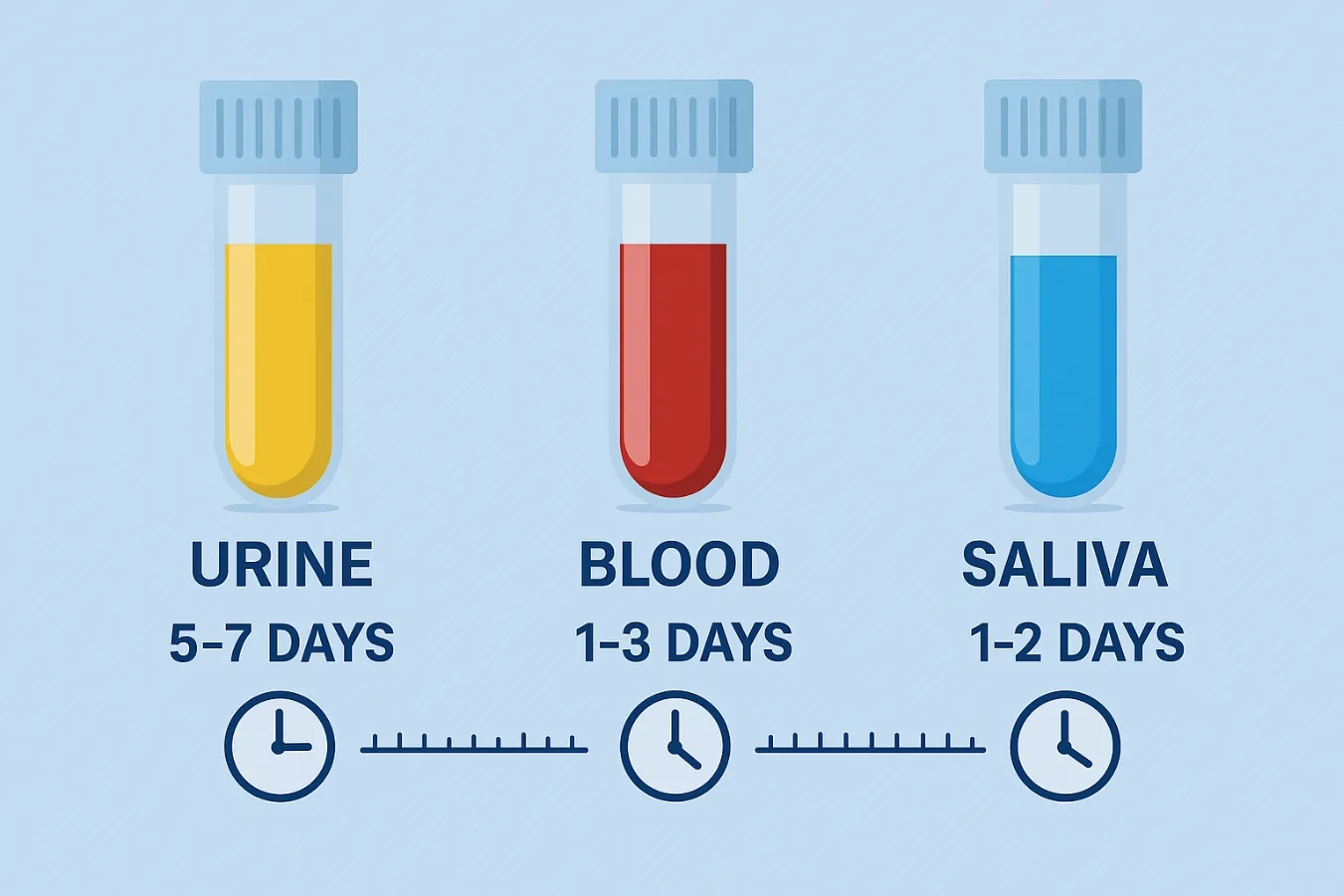
Understanding detection timeframes requires examining each testing method’s capabilities and limitations. Different biological samples provide varying detection windows based on how kratom metabolites are processed and eliminated.
Urine Testing for Kratom
Detection Window: 5-7 days
Urine testing represents the most common method for kratom detection due to its longer detection window and non-invasive collection process. Kratom metabolites concentrate in urine, making this the preferred testing method for most screening purposes.
Factors affecting urine detection:
- Hydration levels: Higher water intake may dilute metabolites
- Kidney function: Affects elimination rate
- pH levels: Acidic urine may clear metabolites faster
- Frequency of use: Regular users may test positive longer
Blood Testing for Kratom
Detection Window: 1-3 days
Blood tests offer the shortest detection window but provide the most accurate representation of recent kratom use. This method is typically reserved for situations requiring immediate detection of active compounds.
Blood testing characteristics:
- Peak concentration: Occurs 1-3 hours after consumption
- Half-life: Mitragynine has a half-life of approximately 3.85 hours
- Accuracy: Most precise for determining recent use
- Cost: More expensive than other testing methods
Saliva Testing for Kratom
Detection Window: 1-2 days
Saliva testing provides a middle ground between blood and urine testing, offering moderate detection windows with easy sample collection. However, specialized equipment is required for kratom-specific saliva analysis.
Saliva testing benefits:
- Non-invasive collection
- Difficult to tamper with
- Reflects recent use patterns
- Quick processing time
Factors That Influence How Long Kratom Stays in Your System
Multiple variables affect kratom’s detection window, making individual experiences highly variable. Understanding these factors helps predict personal detection timeframes more accurately.
Individual Biological Factors
Body Composition and Weight
- Higher body fat percentage may extend detection windows
- Larger individuals typically process substances more slowly
- Muscle mass affects metabolic rate
Age and Metabolism
- Younger users generally clear kratom faster
- Metabolic rate decreases with age
- Overall health status impacts processing speed
Genetic Factors
- Cytochrome P450 enzyme variations
- Individual differences in liver function
- Genetic polymorphisms affecting metabolism
Usage Patterns and Dosage
Frequency of Use
- Occasional users: Shorter detection windows (lower end of ranges)
- Regular users: Extended detection periods
- Daily users: Maximum detection timeframes
- Heavy users: Potential for accumulation effects
Dosage Amounts
- Low doses (1-3 grams): Minimal detection extension
- Moderate doses (3-6 grams): Standard detection windows
- High doses (6+ grams): Extended detection periods
- Mega doses (10+ grams): Significantly longer detection times
Kratom Strain and Quality Factors
Different kratom strains contain varying alkaloid concentrations, potentially affecting detection windows. Red Vietnam kratom strains may have different metabolic profiles compared to other varieties.
Strain-Related Variables:
- Alkaloid concentration: Higher concentrations extend detection
- Processing methods: Extraction techniques affect potency
- Quality and purity: Contaminants may influence metabolism
- Vendor reliability: Consistent products provide predictable results
🧪 Kratom Detection Time Calculator
Drug Testing Protocols and Kratom Detection
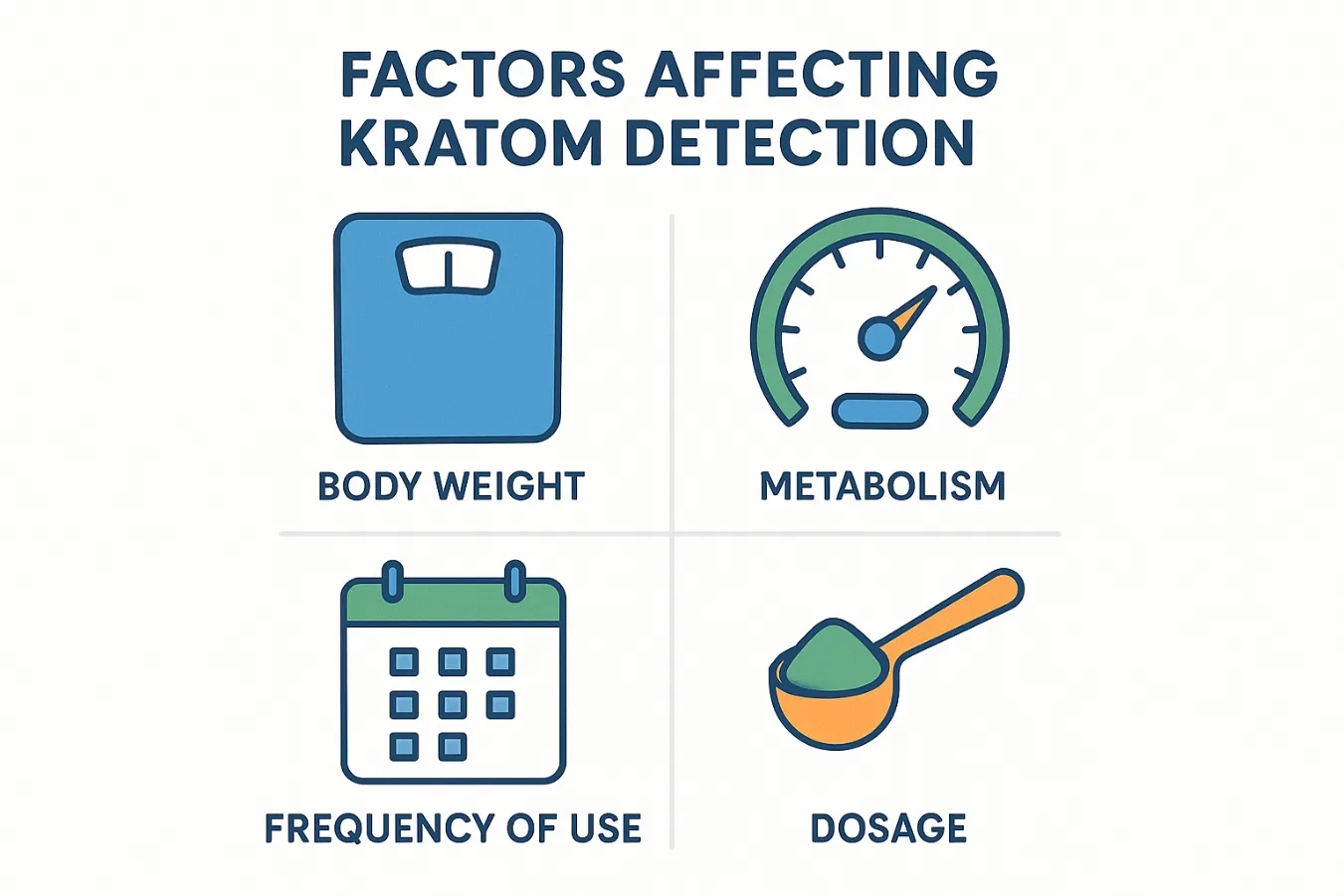
Most standard drug screening panels don’t include kratom-specific tests, but specialized testing is increasingly available. Understanding testing protocols helps users make informed decisions about kratom use and potential detection risks.
Standard Drug Panel Limitations
5-Panel Drug Tests
- Marijuana (THC)
- Cocaine
- Amphetamines
- Opiates
- PCP
10-Panel Drug Tests
- All 5-panel substances
- Barbiturates
- Benzodiazepines
- Methadone
- Propoxyphene
- Quaaludes
Important Note: Neither standard panel includes kratom testing, though this may change as awareness increases.
Specialized Kratom Testing
LC-MS/MS Testing
- Liquid Chromatography-Mass Spectrometry
- Most accurate method for kratom detection
- Can identify specific alkaloids
- Higher cost but superior precision
Immunoassay Screening
- Less expensive than LC-MS/MS
- May produce false positives
- Requires confirmation testing
- Faster processing time
Legal Considerations and Testing Implications
Understanding the legal landscape surrounding kratom use and testing helps users navigate potential complications. Age requirements for kratom purchase vary by location, and testing policies differ across industries and jurisdictions.
State-Specific Legal Status
Legal States with Regulations
- Age restrictions (typically 18+ or 21+)
- Labeling requirements
- Quality control standards
- Vendor licensing
States with Kratom Bans
- Indiana has specific regulations affecting availability
- Kentucky’s legal status impacts testing considerations
- Oklahoma permits kratom use with age restrictions
- Hawaii maintains legal status for kratom
Workplace Testing Policies
Industries with Potential Kratom Testing
- Transportation and logistics
- Healthcare and medical
- Government and military
- Safety-sensitive positions
Employee Rights and Protections
- Advance notice of testing policies
- Right to know tested substances
- Medical review officer consultations
- Appeal processes for positive results
Strategies for Faster Kratom Elimination
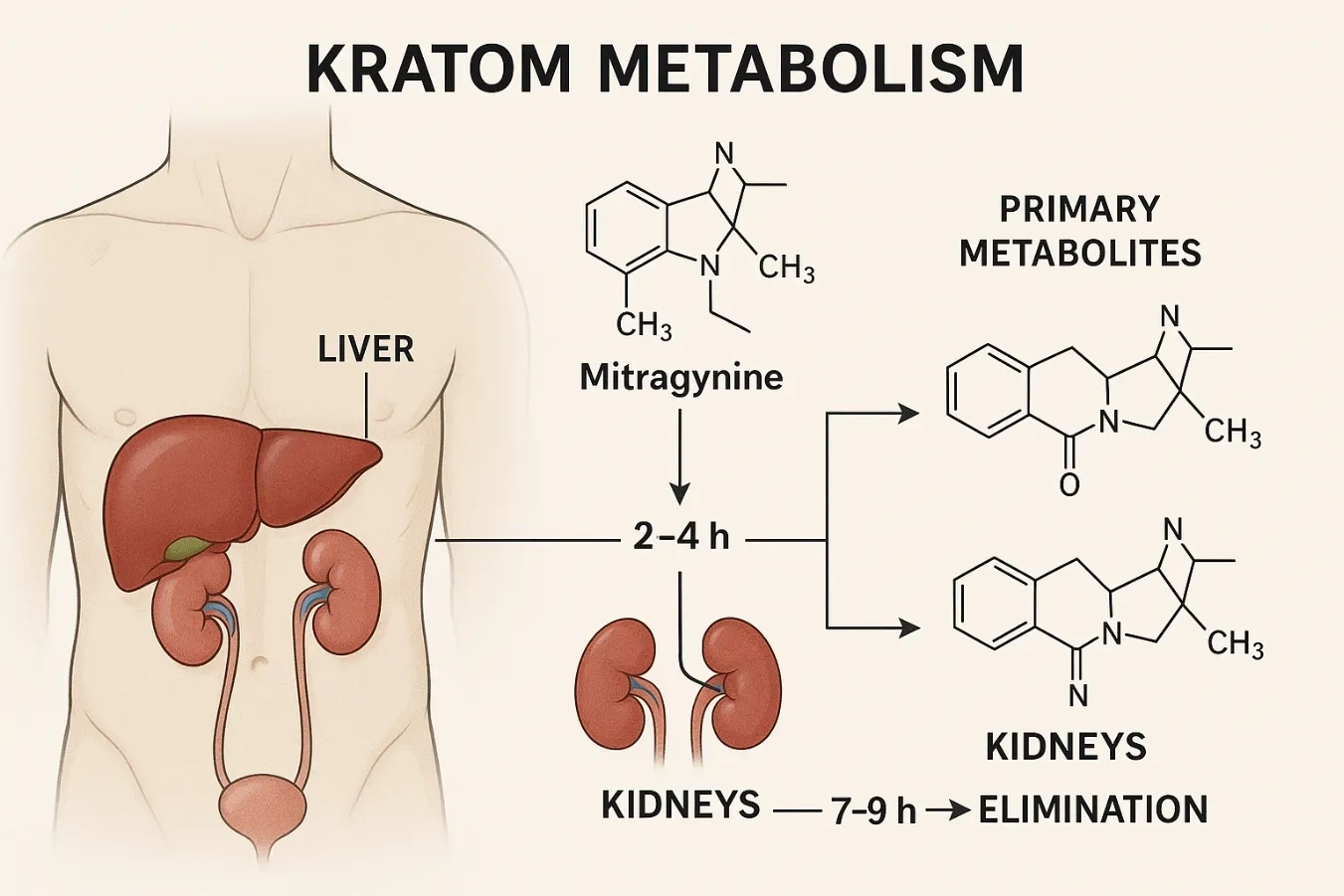
While individual biology largely determines elimination rates, certain strategies may help accelerate the process of clearing kratom from your system.
Hydration and Kidney Function
Optimal Hydration Practices
- Consume 8-10 glasses of water daily
- Monitor urine color (pale yellow indicates good hydration)
- Avoid excessive water intake (can be dangerous)
- Include electrolytes to maintain balance
Kidney Support Methods
- Cranberry juice: May support urinary tract health
- Green tea: Contains antioxidants supporting kidney function
- Avoid alcohol: Reduces kidney processing efficiency
- Limit sodium: Excessive salt can impair kidney function
Metabolism Enhancement
Exercise and Physical Activity
- Cardiovascular exercise: Increases overall metabolic rate
- Strength training: Builds muscle mass, boosting metabolism
- Regular activity: Maintains consistent metabolic function
- Avoid overexertion: Excessive exercise can stress the system
Dietary Considerations
- Fiber-rich foods: Support digestive health and elimination
- Lean proteins: Require energy to process, boosting metabolism
- Avoid processed foods: May slow metabolic processes
- Regular meal timing: Maintains consistent metabolic rhythm
Sleep and Stress Management
Quality Sleep Importance
- 7-9 hours nightly: Supports optimal metabolic function
- Consistent schedule: Maintains circadian rhythm balance
- Sleep hygiene: Creates environment for restorative rest
- Avoid stimulants: Late-day caffeine can disrupt sleep
Stress Reduction Techniques
- Meditation and mindfulness: Reduces cortisol levels
- Deep breathing exercises: Supports relaxation response
- Regular exercise: Natural stress relief method
- Social support: Maintains emotional well-being
Quality and Vendor Considerations
The quality and purity of kratom products significantly impact detection windows and metabolic processing. Choosing reputable vendors ensures consistent alkaloid profiles and reduces variables affecting elimination times.
Vendor Selection Criteria
Quality Indicators
- Third-party lab testing: Verifies alkaloid content and purity
- Transparent sourcing: Clear information about origin and processing
- Customer reviews: Real user experiences with products
- Industry reputation: Established track record in kratom community
Recommended Vendor Examples
- Blue Diamond Herbs offers lab-tested products
- Bikhuk kratom products maintain quality standards
- Research vendor backgrounds before purchasing
- Compare testing protocols across suppliers
Product Quality Factors
Alkaloid Consistency
- Standardized extracts: Predictable alkaloid concentrations
- Batch testing: Ensures consistency across products
- Proper storage: Maintains alkaloid stability over time
- Processing methods: Affects final alkaloid profiles
Contamination Concerns
- Heavy metals: Can affect metabolism and health
- Microbial contamination: Impacts product safety
- Adulterants: Unknown substances may alter detection
- Pesticide residues: Potential health and testing implications
Strain-Specific Detection Considerations
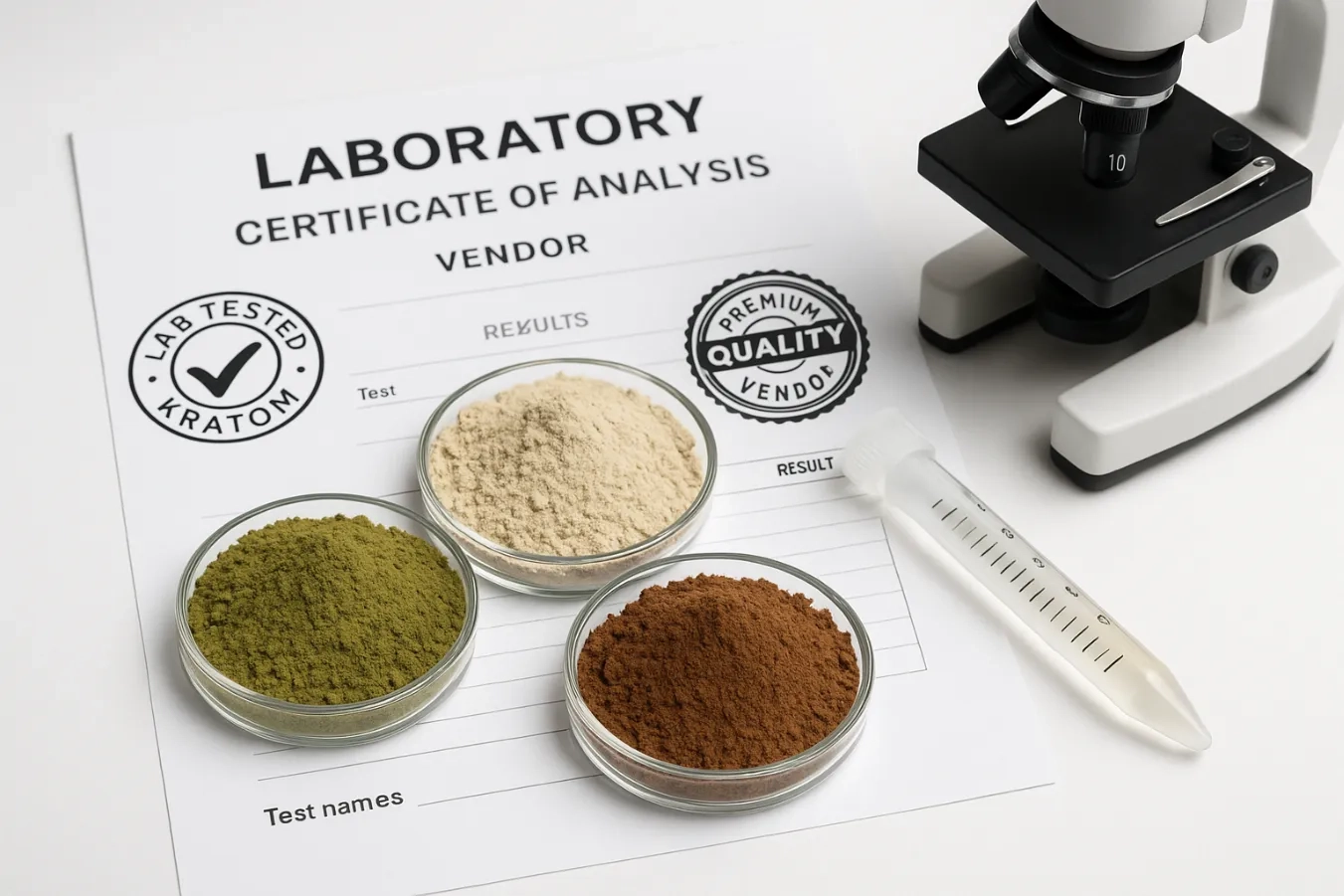
Different kratom strains contain varying alkaloid profiles that may influence detection windows and metabolic processing. Understanding these differences helps predict individual detection experiences.
Popular Strain Categories
Red Vein Strains
- Higher 7-hydroxymitragynine content
- Potentially longer detection windows
- Red Vietnam varieties offer specific alkaloid profiles
- Generally more sedating effects
White Vein Strains
- Higher mitragynine concentrations
- May clear faster due to alkaloid composition
- More stimulating effects
- Different metabolic pathways
Green Vein Strains
- Balanced alkaloid profiles
- Moderate detection windows
- Yellow Indo kratom represents unique processing
- Combination of red and white characteristics
Enhanced and Extract Products
Concentrated Extracts
- Higher alkaloid density: Extended detection windows
- Processing methods: May alter metabolic pathways
- Dosage considerations: Smaller amounts, higher potency
- Detection implications: Potentially longer elimination times
Enhanced Powder Products
- Added extract coating: Increases overall alkaloid content
- Variable potency: Difficult to predict exact concentrations
- Detection variability: Less predictable elimination patterns
- Quality control: Harder to standardize across batches
Medical and Health Considerations
Understanding how health conditions and medications interact with kratom metabolism provides important context for detection window predictions and safe use practices.
Medical Conditions Affecting Metabolism
Liver Function Disorders
- Hepatitis: Significantly impairs kratom metabolism
- Fatty liver disease: May extend detection windows
- Cirrhosis: Severely compromises elimination capacity
- Medication interactions: Many drugs affect liver enzymes
Kidney Function Issues
- Chronic kidney disease: Reduces elimination efficiency
- Diabetes complications: May affect kidney function
- Hypertension: Can impact kidney health over time
- Age-related decline: Natural reduction in kidney function
Medication Interactions
Cytochrome P450 Inhibitors
- Grapefruit juice: Inhibits CYP3A4 enzyme
- Certain antibiotics: May slow kratom metabolism
- Antifungal medications: Can extend detection windows
- Some antidepressants: Affect metabolic pathways
Cytochrome P450 Inducers
- St. John’s Wort: May accelerate kratom elimination
- Certain seizure medications: Speed up metabolism
- Smoking: Induces some cytochrome enzymes
- Chronic alcohol use: Complex effects on enzyme systems
Detection Window Variations by Demographics
Different demographic groups may experience varying detection windows based on biological and lifestyle factors. Understanding these patterns helps individuals better predict their personal elimination timeframes.
Age-Related Factors
Young Adults (18-30)
- Faster metabolism: Generally shorter detection windows
- Higher muscle mass: Increased metabolic rate
- Better kidney function: More efficient elimination
- Fewer medications: Less potential for interactions
Middle Age (30-50)
- Moderate metabolism: Standard detection windows
- Lifestyle factors: Diet and exercise impact elimination
- Potential health issues: May begin affecting metabolism
- Medication use: Increasing likelihood of interactions
Older Adults (50+)
- Slower metabolism: Extended detection windows
- Reduced kidney function: Less efficient elimination
- Multiple medications: Higher interaction potential
- Health conditions: May significantly impact processing
Gender Differences
Male Users
- Higher muscle mass: Generally faster metabolism
- Lower body fat percentage: May affect storage and elimination
- Larger body size: Can influence detection windows
- Hormonal factors: Testosterone may affect metabolism
Female Users
- Hormonal fluctuations: Menstrual cycle may impact metabolism
- Higher body fat percentage: Potential for longer detection
- Smaller average body size: May concentrate metabolites
- Pregnancy considerations: Significantly affects metabolism
Myths and Misconceptions About Kratom Detection
Addressing common misconceptions helps users make informed decisions based on accurate information rather than unreliable claims or outdated assumptions.
Common Myths Debunked
Myth: “Kratom doesn’t show up on any drug tests”
- Reality: Specialized tests can detect kratom use
- Clarification: Standard panels don’t include kratom testing
- Important note: Testing capabilities are expanding
- Recommendation: Assume testing is possible
Myth: “Drinking lots of water will clear kratom immediately”
- Reality: Hydration helps but doesn’t eliminate kratom instantly
- Clarification: Metabolism takes time regardless of hydration
- Caution: Excessive water intake can be dangerous
- Truth: Proper hydration supports normal elimination
Myth: “All kratom strains have identical detection windows”
- Reality: Alkaloid profiles vary between strains
- Clarification: Different alkaloids may have different elimination rates
- Consideration: Processing methods also affect detection
- Fact: Individual variation remains the largest factor
Dangerous Misconceptions
Myth: “Detox products guarantee kratom elimination”
- Reality: No product can guarantee elimination by a specific time
- Warning: Many detox products are ineffective or harmful
- Truth: Only time and natural metabolism clear kratom
- Advice: Avoid products making unrealistic claims
Myth: “Exercise immediately before testing helps”
- Reality: Last-minute exercise doesn’t significantly impact results
- Clarification: Consistent exercise over time may help metabolism
- Warning: Intense exercise before testing may concentrate metabolites
- Recommendation: Maintain regular exercise routine instead
Practical Recommendations for Users
Based on current understanding of kratom metabolism and detection, these practical recommendations help users make informed decisions about use patterns and testing considerations.
Before Starting Kratom Use
Research Legal Status
- Verify local and state laws regarding kratom
- Understand workplace policies about kratom testing
- Check professional licensing requirements
- Consider potential legal changes
Assess Personal Risk Factors
- Evaluate job requirements and testing policies
- Consider health conditions affecting metabolism
- Review current medications for interactions
- Assess personal metabolism characteristics
During Kratom Use
Documentation Practices
- Keep records of usage patterns and dosages
- Note any factors affecting metabolism
- Track vendor sources and product quality
- Monitor personal response patterns
Quality Control Measures
- Choose reputable vendors with testing protocols
- Verify product authenticity and purity
- Store products properly to maintain quality
- Avoid products with unknown additives
When Facing Potential Testing
Preparation Strategies
- Stop use as early as possible before testing
- Maintain healthy lifestyle practices
- Stay properly hydrated
- Get adequate sleep and exercise
Communication Considerations
- Understand disclosure requirements
- Know your rights regarding testing
- Consider consulting legal advice if needed
- Prepare documentation if required
Frequently Asked Questions About Kratom
Conclusion
Understanding how long kratom stays in your system requires considering multiple interconnected factors including test type, usage patterns, individual biology, and product quality. While urine tests typically detect kratom for 5-7 days, blood tests for 1-3 days, and saliva tests for 1-2 days, significant individual variation exists based on metabolism, body composition, and usage frequency.
The most important takeaway is that detection windows are estimates, not guarantees. Factors such as age, weight, liver function, kidney health, and concurrent medications all influence how quickly your body processes and eliminates kratom alkaloids. Additionally, the quality and alkaloid profile of kratom products can significantly impact detection timeframes.

Daniel is an enthusiast of historical and cultural plant traditions, focusing on how communities across the globe integrate natural resources into their daily lives. He has a background in environmental studies and enjoys blending research with storytelling to create accessible content. Daniel’s perspective emphasizes respect for cultural wisdom and sustainable approaches, showing how ancient practices continue to influence modern society in meaningful and often surprising ways.