
Jack Botanicals: Science-Backed Quality
Every batch undergoes 9+ independent lab tests for purity and potency. Choose from premium Red Maeng Da, Red Bali, or energizing Green Maeng Da.
🔬 Lab-Verified Quality at 30% OFF
Code: JACK30
Millions of people worldwide have turned to kratom for pain relief, energy enhancement, and mood support, but what happens when regular users decide to stop? How long do kratom withdrawals last is one of the most pressing questions facing individuals considering discontinuing their kratom use or those already experiencing withdrawal symptoms.
Understanding kratom withdrawal duration, symptoms, and recovery strategies is crucial for anyone who has developed a dependence on this botanical substance. While kratom withdrawal is generally considered less severe than opioid withdrawal, the experience can still be challenging and uncomfortable for many users.
- Kratom withdrawal typically lasts 3-7 days for acute symptoms, with some lingering effects lasting 2-4 weeks
- Physical symptoms include muscle aches, nausea, fatigue, and sleep disturbances
- Psychological symptoms may include anxiety, depression, irritability, and cravings
- Individual factors like dosage, frequency of use, and personal health significantly impact withdrawal duration
- Professional support and gradual tapering can significantly reduce withdrawal severity and duration
Understanding Kratom and Its Effects on the Body
Kratom (Mitragyna speciosa) is a tropical tree native to Southeast Asia whose leaves contain psychoactive compounds called alkaloids. The primary alkaloids, mitragynine and 7-hydroxymitragynine, interact with opioid receptors in the brain, producing effects similar to both stimulants and opioids depending on the dosage.
How Kratom Creates Dependence
Regular kratom use can lead to physical dependence as the body adapts to the presence of these alkaloids. Over time, users may need increasing amounts to achieve the same effects, a phenomenon known as tolerance. When kratom use stops suddenly, the body struggles to maintain normal function without these compounds, resulting in withdrawal symptoms.
The legal status of kratom varies by location, which can impact access to professional treatment resources. Understanding local regulations is important for those seeking help with kratom dependence.
Kratom Withdrawal Timeline: What to Expect
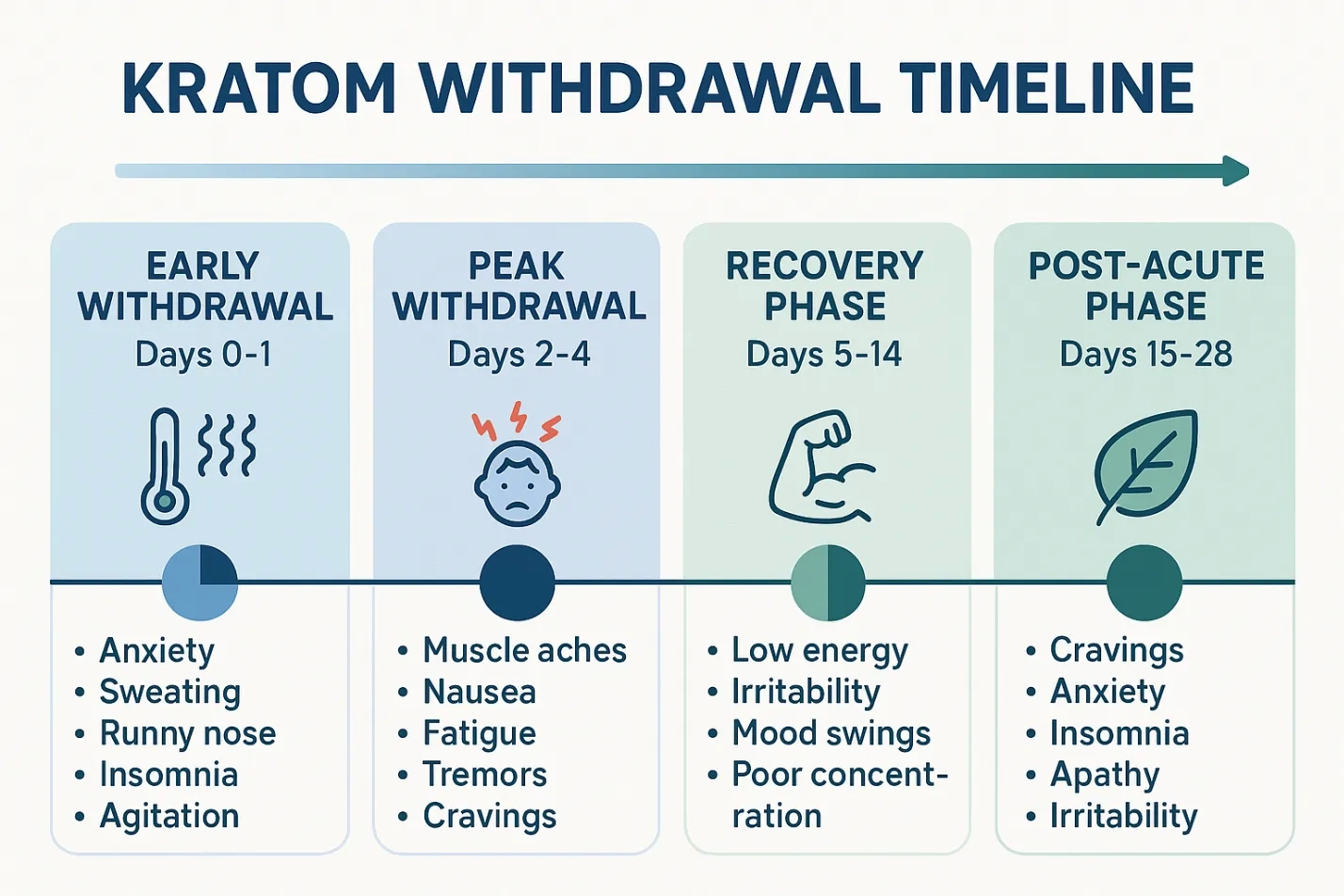
Phase 1: Early Withdrawal (6-24 Hours)
The first signs of kratom withdrawal typically appear within 6-24 hours after the last dose. Early symptoms include:
- Mild anxiety and restlessness
- Runny nose and watery eyes
- Slight muscle tension
- Initial cravings for kratom
- Sleep difficulties
Phase 2: Peak Withdrawal (Days 2-4)
This phase represents the most intense period of kratom withdrawal symptoms:
Physical Symptoms:
- 🤒 Flu-like symptoms (body aches, chills, fever)
- 😴 Severe fatigue and lethargy
- 🤢 Nausea and vomiting
- 💩 Diarrhea or constipation
- 🏃♂️ Restless leg syndrome
- 😰 Excessive sweating
Psychological Symptoms:
- 😟 Intense anxiety and panic attacks
- 😢 Depression and mood swings
- 😠 Irritability and aggression
- 🧠 Brain fog and concentration problems
- 💭 Strong cravings for kratom
Phase 3: Recovery Phase (Days 5-14)
During this phase, acute symptoms begin to subside, but some lingering effects may persist:
- Gradual energy return
- Improved sleep quality
- Reduced physical discomfort
- Occasional mood fluctuations
- Mild cravings (less frequent)
Phase 4: Post-Acute Withdrawal (Weeks 2-4)
Some individuals experience post-acute withdrawal syndrome (PAWS), characterized by:
- Intermittent depression
- Anxiety episodes
- Sleep disturbances
- Cognitive difficulties
- Occasional cravings
Kratom Withdrawal Timeline Tracker
Factors That Influence How Long Kratom Withdrawals Last
Dosage and Frequency of Use
Higher doses and more frequent use typically result in longer, more intense withdrawal periods. Users who consume large amounts multiple times daily may experience:
- Extended acute withdrawal (7-10 days)
- More severe symptoms
- Longer post-acute withdrawal syndrome
- Greater risk of relapse
Duration of Kratom Use
The length of time someone has been using kratom significantly impacts withdrawal duration:
- Short-term use (less than 3 months): 3-5 days of acute symptoms
- Medium-term use (3-12 months): 5-7 days of acute symptoms
- Long-term use (1+ years): 7-14 days of acute symptoms with extended PAWS
Individual Health Factors
Personal health characteristics that influence withdrawal duration include:
- Age and metabolism
- Overall physical health
- Mental health status
- Genetic factors
- Concurrent substance use
- Stress levels
- Sleep quality
- Nutritional status
Kratom Strain and Quality
Different kratom strains and preparations may affect withdrawal experiences. Higher alkaloid content and potent strains may lead to more challenging withdrawal periods.
Managing Kratom Withdrawal Symptoms
🏆 Jack Botanicals: Transparency You Can Trust
| ✓ AKA GMP Approved | Industry Gold Standard |
| ✓ 9+ Lab Tests Per Batch | Guaranteed Purity |
| ✓ Premium Strains | Red & Green Varieties |
Featured: Red Maeng Da • Red Bali • Green Maeng Da
💎 Exclusive Lab-Tested Quality Discount
JACK30 = 30% OFF
Medical Supervision
While kratom withdrawal is rarely life-threatening, medical supervision can provide significant benefits:
- Symptom monitoring and management
- Prescription medications for severe symptoms
- Safety assessment for underlying conditions
- Professional support and guidance
- Referral to specialists when needed
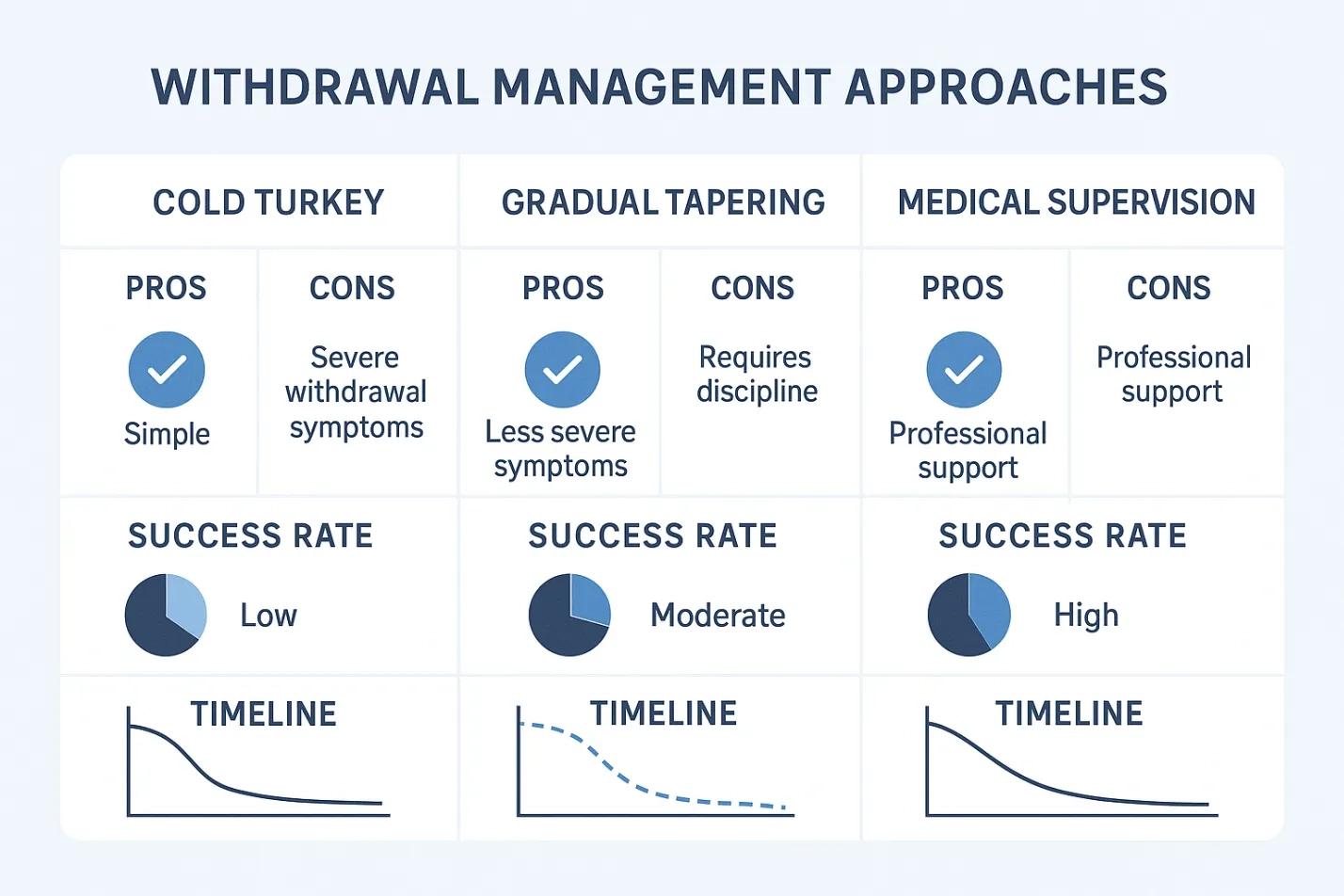
Gradual Tapering vs. Cold Turkey
Gradual tapering is often more comfortable than stopping abruptly:
Tapering Schedule Example:
- Week 1: Reduce dose by 25%
- Week 2: Reduce by another 25%
- Week 3: Reduce by 50% of remaining dose
- Week 4: Stop completely
Natural Remedies and Supplements
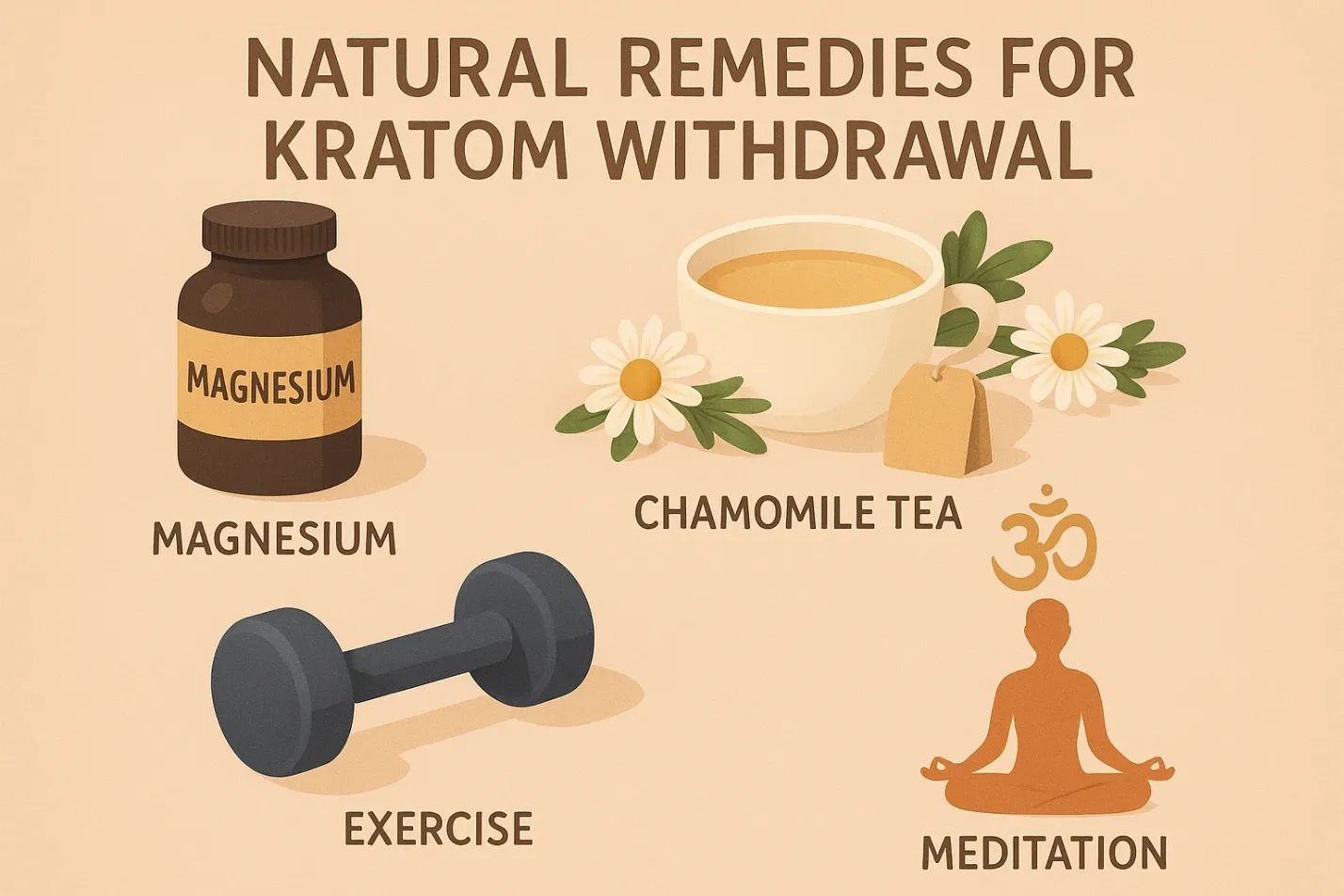
Several natural approaches may help ease withdrawal symptoms:
For Physical Symptoms:
- 🌿 Magnesium for muscle cramps and sleep
- 🍵 Chamomile tea for anxiety and relaxation
- 🧘♀️ Valerian root for sleep disturbances
- 💊 B-complex vitamins for energy and mood
For Psychological Symptoms:
- 🧠 L-theanine for anxiety reduction
- 🌞 5-HTP for mood support
- 🏃♂️ Regular exercise for endorphin release
- 🧘♀️ Meditation and mindfulness for stress management
Comfort Medications
Healthcare providers may recommend over-the-counter medications:
- Ibuprofen for muscle aches
- Loperamide for diarrhea (use cautiously)
- Sleep aids for insomnia (short-term use)
- Anti-nausea medications for stomach upset
Professional Treatment Options
Outpatient Programs
Most individuals can successfully manage kratom withdrawal through outpatient treatment, which includes:
- Regular medical check-ins
- Counseling and therapy sessions
- Support group participation
- Medication management
- Flexible scheduling around work/life
Inpatient Detoxification
Inpatient detox may be recommended for individuals with:
- Severe withdrawal symptoms
- Multiple substance dependencies
- Underlying medical conditions
- History of failed quit attempts
- Limited social support
Therapy and Counseling
Behavioral therapies effective for kratom dependence include:
- Cognitive Behavioral Therapy (CBT)
- Motivational Interviewing
- Contingency Management
- Group therapy sessions
- Family counseling
Creating a Recovery Plan
Preparing for Withdrawal
Pre-withdrawal preparation can significantly improve success rates:
Physical Preparation:
- Schedule time off work/responsibilities
- Stock up on comfort items and medications
- Arrange for social support
- Remove kratom and related paraphernalia
- Plan healthy meals and hydration
Mental Preparation:
- Set clear quit date and goals
- Identify triggers and coping strategies
- Establish support network
- Plan alternative activities
- Consider professional help
Building Support Systems
Strong support networks are crucial for successful recovery:
- Family and friends who understand your goals
- Support groups (online or in-person)
- Healthcare providers familiar with kratom
- Mental health professionals
- Peer recovery specialists
Long-term Recovery Strategies
Maintaining sobriety requires ongoing effort and planning:
Lifestyle Changes:
- Regular exercise routine
- Healthy sleep schedule
- Stress management techniques
- Nutritious diet
- Meaningful activities and hobbies
Ongoing Support:
- Regular therapy sessions
- Support group participation
- Medical follow-ups
- Relapse prevention planning
- Continuous education about addiction
Alternative Approaches to Pain Management
Many individuals initially use kratom for pain management or mood enhancement. Developing alternative strategies is essential for long-term success:
Natural Pain Relief Methods
- Physical therapy and exercise
- Acupuncture and massage therapy
- Heat and cold therapy
- Mindfulness and meditation
- Herbal remedies (under medical supervision)
Mood and Energy Enhancement
- Regular sleep schedule
- Balanced nutrition
- Social connections
- Purposeful activities
- Professional mental health support
For those interested in kratom alternatives, exploring legal and safer options under medical guidance is recommended.
When to Seek Emergency Help
While kratom withdrawal is generally manageable, certain symptoms require immediate medical attention:
🚨 Emergency Warning Signs:
- Severe dehydration
- Persistent vomiting
- Extreme depression or suicidal thoughts
- Severe anxiety or panic attacks
- Heart palpitations or chest pain
- Signs of other medical complications
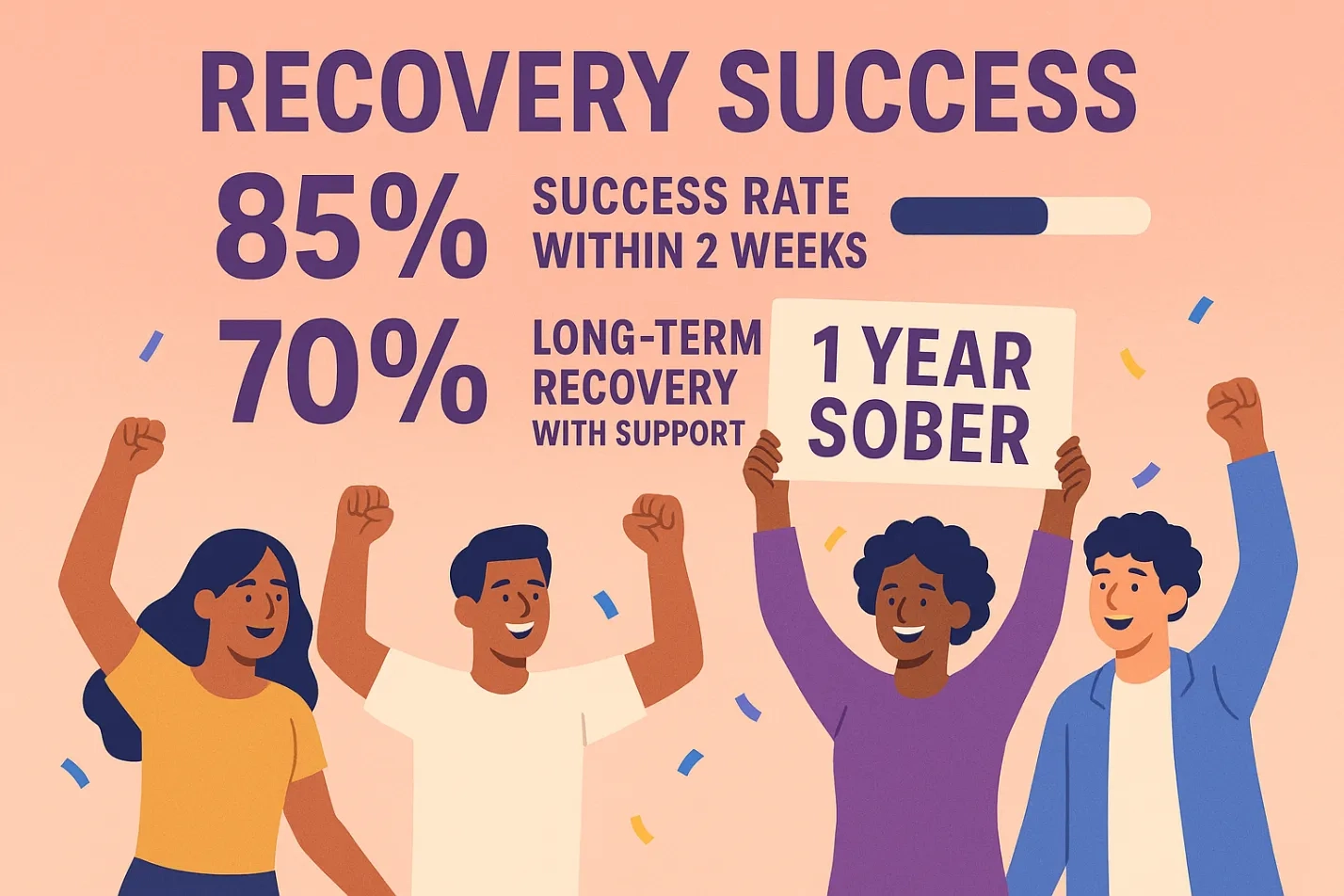
Recovery Success Stories and Statistics
Research data on kratom withdrawal recovery shows promising outcomes:
- 85% of users successfully complete withdrawal within 2 weeks
- Gradual tapering reduces symptom severity by up to 60%
- Professional support increases success rates by 40%
- Long-term recovery rates exceed 70% with proper support
“The key to successful kratom withdrawal is understanding that it’s temporary. Every day of discomfort brings you closer to freedom and better health.” – Addiction Recovery Specialist
Preventing Relapse
Relapse prevention is a critical component of recovery:
Common Relapse Triggers
- Stress and life changes
- Physical pain episodes
- Emotional distress
- Social pressure
- Boredom and routine disruption
Relapse Prevention Strategies
- Develop coping skills for stress and pain
- Maintain support connections
- Practice self-care routines
- Avoid high-risk situations
- Have an emergency plan
Legal Considerations and Resources
Understanding the legal landscape of kratom is important for those seeking treatment and support. Legal status varies by state and can impact:
- Access to treatment resources
- Insurance coverage for treatment
- Employment considerations
- Legal protections during recovery
For current information on kratom regulations in specific states, research local kratom laws before making treatment decisions.
Cost Considerations for Treatment
Treatment costs vary significantly based on approach:
Outpatient Treatment:
- Medical consultations: $100-300 per visit
- Therapy sessions: $75-200 per session
- Medications: $20-100 per month
- Support groups: Often free or low-cost
Inpatient Treatment:
- Detox programs: $1,000-5,000 per week
- Residential treatment: $3,000-10,000 per month
- Insurance may cover portions of treatment
Frequently Asked Questions About Kratom Withdrawal
The Science Behind Kratom Withdrawal
Understanding the neurobiological mechanisms of kratom withdrawal helps explain why symptoms occur:
Brain Chemistry Changes
Kratom’s alkaloids affect multiple neurotransmitter systems:
- Opioid receptors (primary mechanism)
- Dopamine pathways (reward and motivation)
- Serotonin systems (mood regulation)
- Norepinephrine (stress response)
Recovery Timeline at the Cellular Level
Brain recovery follows a predictable pattern:
- Days 1-3: Acute neurotransmitter imbalance
- Days 4-7: Beginning of receptor normalization
- Weeks 2-4: Continued neuroplasticity and healing
- Months 1-3: Full neurotransmitter system recovery
Nutrition and Hydration During Withdrawal
Proper nutrition supports the body’s healing process during withdrawal:
Essential Nutrients
Protein Sources:
- Lean meats and fish
- Eggs and dairy products
- Legumes and nuts
- Protein supplements if needed
Complex Carbohydrates:
- Whole grains and oats
- Fruits and vegetables
- Sweet potatoes
- Quinoa and brown rice
Healthy Fats:
- Avocados and olive oil
- Nuts and seeds
- Fatty fish
- Coconut oil
Hydration Guidelines
- 8-10 glasses of water daily
- Electrolyte replacement during symptoms
- Herbal teas for additional comfort
- Avoid caffeine excess which can worsen anxiety
Exercise and Physical Activity
Regular exercise provides multiple benefits during kratom withdrawal:
Recommended Activities
Low-Impact Options:
- Walking and hiking
- Swimming and water aerobics
- Yoga and stretching
- Tai chi and qigong
Moderate Intensity:
- Cycling and stationary biking
- Dancing and group fitness
- Resistance training
- Sports activities
Exercise Benefits During Withdrawal
- Natural endorphin release
- Improved sleep quality
- Stress and anxiety reduction
- Enhanced mood stability
- Faster physical recovery
Sleep Management Strategies
Quality sleep is crucial for withdrawal recovery but often disrupted:
Sleep Hygiene Practices
- Consistent bedtime routine
- Cool, dark sleeping environment
- Limited screen time before bed
- Comfortable bedding and pillows
- Regular wake times
Natural Sleep Aids
- Melatonin supplements (3-5mg)
- Magnesium glycinate (200-400mg)
- Chamomile tea before bedtime
- Lavender aromatherapy
- Progressive muscle relaxation
Workplace Considerations
Managing withdrawal while maintaining employment requires planning:
Disclosure Decisions
Consider the pros and cons of workplace disclosure:
Potential Benefits:
- Access to employee assistance programs
- Accommodation for medical appointments
- Reduced stress from secrecy
- Possible support from colleagues
Potential Risks:
- Employment discrimination concerns
- Privacy and confidentiality issues
- Career advancement impacts
- Workplace culture considerations
Practical Workplace Strategies
- Schedule withdrawal during lighter work periods
- Use available sick time or vacation
- Arrange flexible work arrangements
- Prepare for concentration difficulties
- Have backup plans for severe symptoms
Technology and Recovery Apps
Digital tools can support kratom withdrawal and recovery:
Helpful App Categories
Tracking Apps:
- Sobriety counters and milestone trackers
- Symptom and mood logging
- Medication reminders
- Sleep and activity monitoring
Support Apps:
- Online support group access
- Crisis intervention resources
- Meditation and mindfulness guides
- Educational content libraries
Wellness Apps:
- Exercise and nutrition tracking
- Stress management tools
- Goal setting and achievement
- Habit formation support
Building Healthy Routines
Structured routines provide stability during the challenging withdrawal period:
Morning Routines
- Consistent wake time
- Hydration and nutrition
- Light exercise or stretching
- Mindfulness or meditation
- Goal setting for the day
Evening Routines
- Reflection and journaling
- Relaxation activities
- Preparation for next day
- Gratitude practice
- Sleep preparation
Family and Relationship Impact
Kratom withdrawal affects not just the individual but their entire support network:
Supporting Family Members
Education helps family members understand:
- What to expect during withdrawal
- How to provide appropriate support
- When to seek professional help
- Boundaries and self-care importance
- Long-term recovery expectations
Rebuilding Trust
Relationship repair is often necessary after kratom dependence:
- Open and honest communication
- Consistent actions over time
- Professional family counseling
- Patience with the healing process
- Celebration of recovery milestones
Conclusion
Understanding how long kratom withdrawals last is essential for anyone considering discontinuing kratom use or currently experiencing withdrawal symptoms. While the acute withdrawal phase typically lasts 3-7 days, with some lingering effects extending 2-4 weeks, individual experiences vary significantly based on usage patterns, personal health factors, and support systems.
The journey through kratom withdrawal, while challenging, is entirely manageable with proper preparation, support, and professional guidance when needed. Key success factors include gradual tapering when possible, maintaining proper nutrition and hydration, utilizing natural comfort measures, and building strong support networks.
Remember that withdrawal is temporary, but recovery is a long-term commitment. Each day of discomfort brings you closer to freedom from dependence and improved overall health. Whether you choose self-managed withdrawal or professional treatment, having a comprehensive understanding of the timeline, symptoms, and available resources significantly improves your chances of success.
Take action today by assessing your current situation, gathering support resources, and creating a personalized withdrawal and recovery plan. Professional help is available and can make the process significantly more comfortable and successful.
For more information about kratom and related topics, explore additional resources on kratom education and safety.

Sarah is passionate about exploring the intersection of culture, wellness, and the natural environment. She has travelled widely, learning from communities that value traditional plant knowledge and sustainable practices. With a background in education and cultural studies, she is dedicated to sharing insights that encourage respect for diverse traditions. Sarah’s approach is rooted in curiosity and an appreciation for the timeless connection between human life and the natural world.